
By Lillie Nye
Since the age of 3 I have been a competitive figure skater. Each year as winter approaches it is thrilling to see my sport become popular and practiced recreationally all around the world, especially when the Olympics come around
As a coach, I see how enrollment numbers in Learn to Skate classes shift over the seasons. Summer is always a lull, while winter often brings waitlists to get into beginner classes. Each year, right after the U.S. Figure Skating championships there is always a large crowd of parents or skaters enrolling in classes, hoping to be like the skaters they see on TV.
Because figure skating is not as widespread in the United States as sports such as football or soccer, maintaining a strong media presence is essential to attracting new athletes and fans.
The Olympics play a huge role in this. The Games bring the world together and shine a spotlight on sports that many people might not otherwise watch. According to a fan survey reported by ESPN ahead of the 2026 Winter Games, 59% of Olympic fans said figure skating was the sport they were most excited to watch, the highest percentage of any sport.
Much of that excitement can be credited to the media content released leading up to the Games, which helped build anticipation and introduce audiences to the athletes. Heading into the 2026 Olympic season, there was an especially strong lineup of American contenders, which ramped up during the 2025 World Figure Skating Championships in Boston. Americans Alysa Liu, Ilia Malinin, and the ice dance team of Madison Chock and Evan Bates each won gold in their respective disciplines. With three world champions and the event taking place in the United States, interest in the sport noticeably increased. The International Skating Union Instagram account surpassed 1 million followers right after the event, and there were over 408 million video views on skating content, according to the ISU.
Recognizing the momentum, U.S. Figure Skating leaned heavily into digital content to keep fans engaged. Their social media presence became more active than ever, and many new fans were finding the sport.
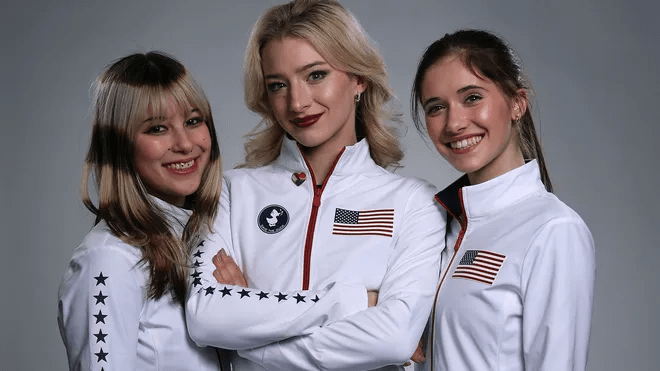
The women’s discipline in particular was gaining visibility. Three athletes emerged as fan favorites: Alysa Liu, the comeback queen who returned to competition after a two-year retirement with a refreshed, carefree approach to skating; Amber Glenn, known for her powerful triple axel and outspoken advocacy for LGBTQ+ representation; and Isabeau Levito, the elegant young star from New Jersey. The world loved each of their different stories, support for each other, and fun energy.
The trio was dubbed “The Blade Angels,” a spinoff of Charlie’s Angels, by the U.S. Figure Skating’s PR team after the skaters opened the idea of creating a name for their group at a press conference. Taking advantage of their growing popularity, U.S. Figure Skating launched a full campaign around the trio. The rollout included merchandise, coordinated social media content, and partnerships with well-known celebrities such as Simone Biles. Most notably, pop superstar Taylor Swift introduced the trio in a short-form promotional video set to her song “Opalite.” View it here.
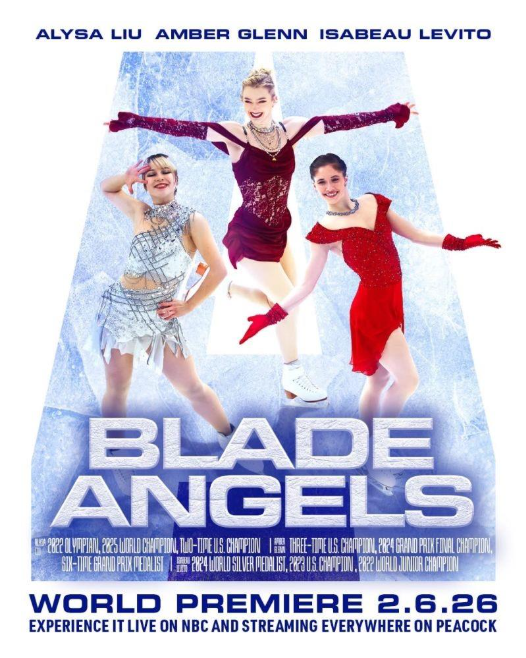
The cinematic video presented the skaters like superheroes: dramatic lighting, fast-paced skating clips, and narration that emphasized their individuality and strength as athletes. The storytelling approach elevated the campaign from a traditional sports promotion and into a cultural moment.
The video was posted across various social media platforms by Team USA, NBC Olympics, and U.S. Figure Skating. The video has 303K views on YouTube although the reel is no longer posted to Instagram and TikTok but reached millions of views across platforms within days, generated hundreds of thousands of likes and shares and reached audiences far beyond traditional figure skating fans.
Fans of figure skating shared the content widely, while Swift’s massive global fan base helped introduce the athletes to entirely new audiences. The result was a surge of engagement, with hundreds of thousands of likes, shares, and comments across reposts.
More importantly, the video demonstrated the power of storytelling in modern sports marketing. By highlighting the athletes’ personalities and friendship, not just their performances, U.S. Figure Skating helped turn them into recognizable figures that audiences could connect with.
As communicators, this is where the real impact lies. Campaigns like the Blade Angels are not just about promoting a sport; they are about shaping perception, building connection, and creating moments that move people to care, engage, and act. Whether that action is following an athlete, sharing a video, or seeing oneself reflected in a story, the ripple effect begins with how the narrative is told.
For agencies and storytellers, it is a reminder that the most effective campaigns go beyond visibility metrics. They tap into identity, emotion, and culture. They meet audiences where they are and invite them into something bigger than the content itself.
Powerful storytelling doesn’t just capture attention—it creates a lasting connection. Because impact isn’t just seen, it’s felt.
 Happy Valley Comm