
By Janan Boljevic
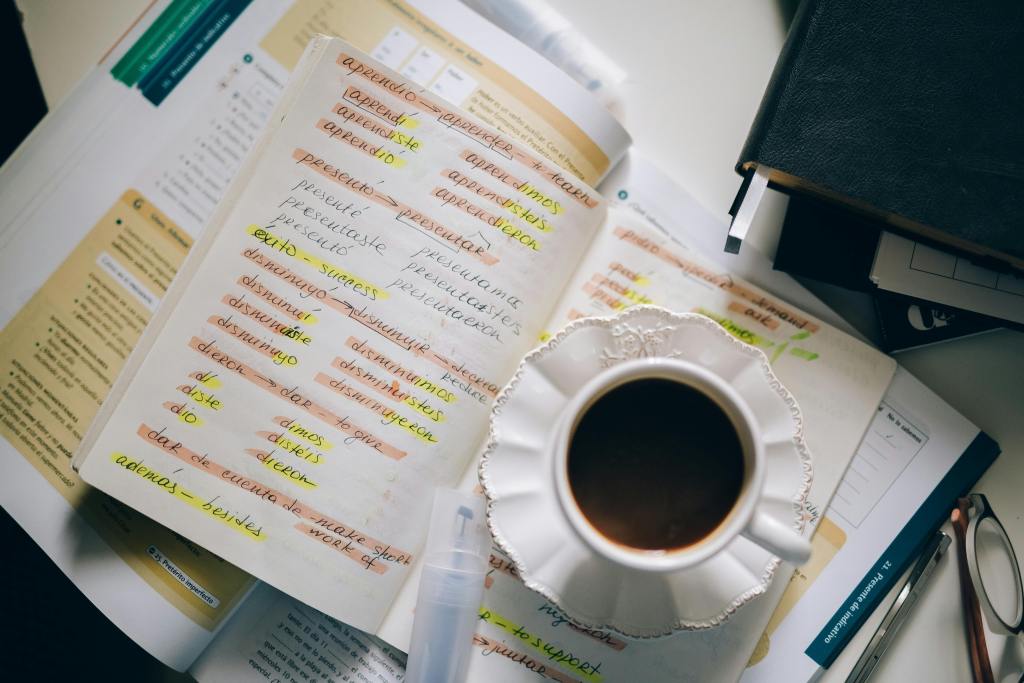
As the world gets more interconnected, so do its people. Especially in the United States, it is normal to encounter and learn about different ethnicities, religions, and people from around the globe. Here are some reasons why learning more than one language can significantly improve your daily life!
- It improves your attention span and memory
The average human attention span has gone from two and a half minutes on average in 2004 to only about 47 seconds by 2017. When it comes to attention spans, learning more than one language forces you to have increased focus when switching between multiple languages and when translating your thoughts to the other language. For example, switching between languages works to increase memory because you have to recall verb conjugations, sentence structure rules, and adjectives in more than one language.
- It helps improve cultural knowledge and understanding
By immersing yourself in a foreign language, you’re also immersing yourself in another culture and history. This helps increase cultural competence by helping you learn about a new culture and community. For example, try going to a cultural food show to appreciate a unique cuisine and even test out your language skills! Understanding how people talk with one another and their culture can help you appreciate their culture and be more appreciative of the language. Picking up on the conversations my friends’ families have in Russia sheds new light on the time I spend with them.
- It’s a major advantage in the workplace
Nowadays, adding more than one language to your resume is an enormous advantage. In today’s globalized economy, this skill set shows you’re a critical asset to an employer who wants to reach out to other communities. Being able to display a range of skills in four different languages has helped me stand out when looking for a job or internship! Having great language skills also shows that you’re a dedicated, hard-working person because achieving fluency in multiple languages is a skill that takes time and motivation.
- Traveling is easy and more fulfilling
Traveling is undoubtedly much easier when you can speak the official language of the country you’re visiting. Not only will you be able to read menus, road signs, building signs, and maps, but if you do find yourself needing to ask a local a question, you can! Speaking their language can allow you to experience the culture first-hand and bond with your neighbors in a way that you never would have otherwise. As an Albanian-American, I can say firsthand that languages can open your heart to create a home out of places. If I didn’t speak Albanian, I wouldn’t feel nearly as connected as I am now to the land my parents are from.
That being said, I know how hard it is to learn languages you don’t grow up with. No matter how many languages you know, picking up a new one takes lots of time and effort. If you don’t know how to get started, some strategies I like to use to get my daily dose of language learning in are:
- Watching shows/movies in a second language
Take advantage of voice-overs and subtitles available on streaming platforms; I enjoyed Pinnochio with German audio and The Godfather with Albanian subtitles!
- Listening to songs in other languages
Read the lyrics, write them down, or translate unknown words as you listen.
- Reading bilingual books
Highlight words you don’t know; starting with your childhood favorites, like a Doctor Suess book, is a great place to start.
- Taking foreign language classes
Penn State offers a plethora—I’m taking German and Russian!
- Taking advantage of language learning apps like Duolingo and Rosetta Stone
Set reminders and notifications for lessons.
Like they say, there’s no time like the present! You might as well dedicate a small portion of your time to learning something with lifelong benefits. Remember that the world is your oyster, and it’s up to you to make the effort to take advantage of it. Go out there and learn a new language!
 Happy Valley Comm