
By Christian Rood
In today’s fast-paced, interconnected world, social media has become an integral part of our lives. From personal connections to business interactions, social media platforms have revolutionized the way we communicate, share information, and build relationships. For companies, the impact of social media is profound. In this blog post, we will explore why social media is so crucial for businesses and how it can be a game-changer for their growth and success.
Wider Reach and Targeted Marketing
Social media platforms offer businesses an unparalleled opportunity to reach a vast and diverse audience. However, companies need to recognize that not all social media platforms are created equal. Each platform has its unique strengths and caters to specific demographics and user behaviors.
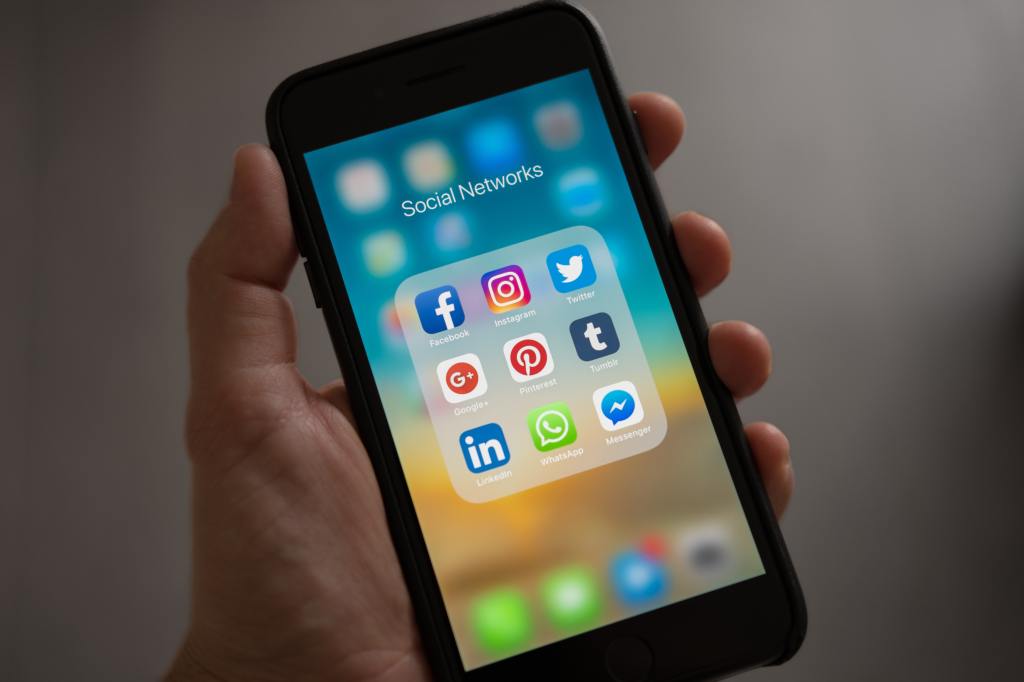
For instance, Facebook is known for its broad user base, making it suitable for businesses looking to reach a wide audience, while LinkedIn is favored for B2B marketing, where professional networking and industry-specific content are essential. Visual-centric platforms like Instagram and Pinterest are ideal for businesses in the fashion, design, or food industries. Twitter, on the other hand, is excellent for real-time updates and trending topics.
The key to successful social media marketing lies in understanding your target audience and selecting the platform that aligns with your brand’s objectives. By focusing on the platforms that suit your needs the best, you can ensure that your marketing efforts are efficient, cost-effective, and yield the desired results. Tailoring your approach to the preferences and habits of your target audience is a crucial aspect of leveraging the full potential of social media for your business.
Enhanced Brand Awareness
Building and maintaining a strong brand is fundamental to business success. Social media plays a pivotal role in building and enhancing brand awareness. Consistent and engaging social media content helps companies stay in touch with their audience. Moreover, viral posts and trending topics can quickly propel a brand into the spotlight, leading to increased recognition and trust. As users share, comment, and interact with your content, your brand’s message extends far beyond your immediate follower base, often reaching new, untapped audiences and reinforcing your brand’s presence in the digital landscape.
Cost-Effective Marketing
Traditional advertising and marketing methods such as TV, radio, or print can be expensive, making it challenging for small businesses to compete with larger corporations. Social media levels the playing field by offering cost-effective advertising options. Whether it’s running targeted ads or creating compelling organic content, companies of all sizes can achieve substantial results with a limited budget.
Real-Time Customer Engagement
One of the most significant advantages of social media is the ability to engage with customers in real-time. Companies can respond to inquiries, resolve issues, and gather feedback, all within minutes, either through public comments on posts or private direct messages (DMs). This immediate interaction builds trust and customer loyalty, creating a positive brand image and showcasing your commitment to excellent customer service. Furthermore, the ability to address concerns privately via DMs can help resolve issues discreetly, preventing potential public relations challenges.
Humanizing Your Brand
Social media allows companies to humanize their brand by giving it a face and a personality. Sharing behind-the-scenes content, introducing team members, and showcasing the company’s values can create a more personal and relatable connection with the audience. Consistency in voice and tone across different social media platforms is crucial in achieving this. It ensures that your brand’s personality remains authentic and recognizable, regardless of where your audience engages with you.
Maintaining a consistent voice and tone helps build trust and reliability with your audience. When followers encounter your brand on various platforms, they should feel a coherent and familiar experience, which strengthens the bond between your company and your customers. Whether it’s a light-hearted, humorous tone or a professional and informative one, keeping your messaging harmonious across all platforms reinforces your brand’s identity and resonates more profoundly with your audience.
Data and Analytics
Social media platforms provide companies with valuable data and analytics tools to track the performance of their content and advertising campaigns. This information enables businesses to make data-driven decisions, refine their strategies, and continuously improve their outreach efforts. By readily analyzing metrics like engagement rates, click-through rates, and audience demographics, companies can swiftly discern what works and what doesn’t in their social media campaigns. This fast feedback loop allows for rapid adjustments, ensuring that marketing efforts remain effective and efficient in reaching target goals and audience engagement.
Competitor Insight
By monitoring their competitors’ social media activities, companies can gain valuable insights into market trends and customer preferences. This information helps businesses adapt and stay ahead of the competition. Notably, on social media, it’s not uncommon for competing companies to engage in friendly banter, humorous interactions, or even playful call-outs. Such exchanges can garner attention, entertain audiences, and demonstrate a healthy sense of competition.
For example, fast-food giants like Wendy’s and Burger King have engaged in light-hearted Twitter exchanges, showcasing their rivalries playfully and entertainingly. These interactions not only amuse followers but also strengthen brand recognition and demonstrate a willingness to embrace the lighthearted side of competition. Keeping an eye on these dynamics can help companies learn from their rivals and develop creative ways to engage with their audience.
Establishing Thought Leadership
Social media is an excellent platform for sharing knowledge and expertise within an industry. Companies can use blogs, articles, videos, and other content to establish themselves as thought leaders in their field. This enhances credibility and positions the company as a trusted source of information.
E-commerce Integration
Many social media platforms offer e-commerce features that enable companies to sell products directly through their profiles. This streamlines the customer journey, reduces friction, and can significantly boost sales. For instance, platforms like Instagram and Facebook allow businesses to set up shoppable posts, where users can click on products featured in a post and purchase them without leaving the platform. This seamless integration not only simplifies the shopping process for customers but also provides businesses with an additional revenue stream.
Furthermore, companies can utilize social media advertising to target specific customer segments with their products or services, effectively driving traffic to their e-commerce websites. By leveraging features like “Shop Now” buttons and in-app purchase options, businesses can capitalize on impulse purchases and make the buying process as convenient as possible for their customers. This integration of e-commerce within social media platforms is a game-changer for companies, allowing them to transform social engagement into tangible sales.
Global Customer Base
With social media, companies can transcend geographical boundaries and tap into international markets. This opens up exciting opportunities for expansion and diversification. For example, Airbnb successfully expanded its global reach by using social media platforms to promote unique travel experiences worldwide. By tailoring their content to different regions and utilizing multilingual campaigns, they attracted travelers and hosts from diverse cultures and regions, proving that a well-executed social media strategy can help companies connect with a global customer base.
Similarly, fashion brands like Zara and H&M have leveraged the power of social media to reach international audiences. Through visually appealing and culturally sensitive content, they have managed to build a massive following and sell their products to a global customer base. Social media has eliminated many of the barriers that once hindered international business expansion, making it a vital tool for companies aiming to go beyond their local markets and thrive on a global scale.
In today’s digital age, social media is an indispensable tool for companies looking to thrive and grow. The ability to reach a vast and diverse audience, cost-effective marketing, real-time customer engagement, and valuable data insights make it an essential component of any business strategy. By harnessing the power of social media, companies can not only boost their brand awareness but also establish themselves as industry leaders and connect with customers on a more personal level. To ignore the significance of social media in the business world is to miss out on a world of possibilities. So, if you haven’t already, it’s time to embrace the social media revolution and utilize its immense potential for your company’s success.
 Happy Valley Comm